
When a horse feels slightly off behind, shortens a stride, or reacts when you run a hand down the leg, the question comes quickly – what helps horse tendon soreness before it turns into a bigger problem? Tendons do not usually heal fast, and waiting to see if it settles on its own can cost valuable time. Early, sensible support often makes the difference between a brief setback and a much longer recovery.
Tendon soreness can show up after hard ground, repetitive schooling, jumping, galloping, long hacks, or simply the cumulative strain of regular work. It may be mild and work-related, or it may be the first sign that the tendon is under more stress than it can comfortably manage. Either way, the goal is the same: reduce load, calm irritation, support circulation, and give the tissue the best possible conditions to recover.
What helps horse tendon soreness in the early stage
The first step is not to push on and hope for the best. If a tendon area feels warm, looks filled, or your horse is uneven, reducing exercise is usually the right place to start. Continued strain on a sore tendon can turn a manageable issue into a more serious injury.
Cold therapy is commonly helpful in the first stage, particularly if soreness follows exercise or there is fresh heat in the leg. Cooling the area may help settle inflammation and make the horse more comfortable. It is most useful early on, rather than as a catch-all answer weeks later when stiffness and reduced circulation can become the bigger issue.
Rest matters, but complete inactivity is not always the full answer. It depends on the severity of the soreness, the horse’s history, and what your vet advises. Some horses need strict rest at first. Others benefit from controlled walking once the acute phase has settled. Tendons respond better to the right loading than to endless stop-start management, but the timing has to be right.
Why tendon soreness needs more than just time
Tendons have a notoriously limited blood supply compared with muscle. That is one reason they can be slow to recover and why mild strain can linger. A horse may look brighter after a few quiet days, yet the tissue may still be vulnerable underneath.
This is where many owners get caught out. The obvious heat reduces, the horse seems comfortable, and work resumes too soon. Then the soreness returns, often more stubbornly. Good tendon care is not just about reacting to pain. It is about supporting the tissue daily so it can recover properly and cope with workload more comfortably.
What helps horse tendon soreness after the acute phase
Once fresh heat and immediate inflammation are under control, the focus often shifts. At that point, horses may benefit from therapies that encourage circulation, reduce stiffness, and support comfort in the surrounding tissues. This is especially relevant in horses with repeated strain, ongoing workload, older legs, or a history of tendon trouble.
Drug-free therapies can fit well here because they are practical for regular use. Targeted vibration and acupressure, for example, are used by many owners as part of a wider management plan to help keep the tendon area supple and comfortable. The value is not in replacing veterinary care, but in making daily recovery support easier and more consistent.
For owners managing a horse at home, consistency is often the missing piece. One physio session or one cold hose is rarely enough on its own. Horses doing regular work often need repeated support, especially after exercise, during rehabilitation, or when stiffness tends to build up in the stable.
The everyday measures that make a real difference
If you are looking at what helps horse tendon soreness in practical terms, it usually comes down to a combination of sensible management rather than one miracle fix. Workload is a major factor. Horses returning from a strain need a gradual plan, not a sudden jump back into schooling, fast work, or uneven ground.
Surface also matters more than many people realise. Deep arenas, hard summer ground, and repetitive circles can all increase tendon stress. Small adjustments to where and how your horse works can reduce aggravation significantly. The same applies to turnout. For one horse, steady turnout helps prevent stiffness. For another, boisterous field behaviour creates too much risk. It depends on the individual.
Farriery should not be ignored either. Poor balance through the foot can increase strain higher up the limb. If tendon soreness keeps recurring, it is worth looking at the whole picture rather than treating the leg in isolation.
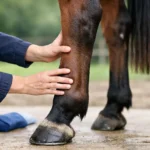
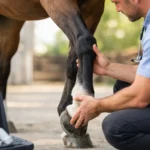
Then there is daily hands-on care. Checking for heat, swelling, digital pulse changes, or sensitivity helps you spot issues before they escalate. Small changes are easy to miss when routines are busy, but they are often the earliest warning signs.
Where supportive therapy fits in
A useful therapy should do two things well: fit into real stable life and address the kind of tendon stress horses commonly deal with. That is why many owners prefer non-invasive options they can use regularly without making the routine complicated.
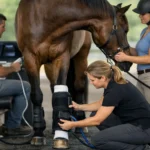
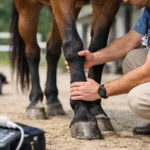
A tendon treatment pad designed for horses can be especially helpful when the aim is to support recovery between veterinary checks, after work, or as part of long-term preventative care. Targeted vibration therapy combined with acupressure can help stimulate circulation, ease tightness, and support comfort in the tendon area without adding strain. For horses that are stiff after exercise or prone to recurring soreness, that sort of daily support can be far more realistic than relying on occasional treatments alone.
The main advantage is consistency. If something is simple to apply and safe for frequent use, owners are far more likely to keep using it. That matters because tendon care is rarely solved in a single day. It is usually the result of repeated, sensible input over time.
When to call the vet rather than manage it yourself
There is a difference between supportive care and trying to self-manage a significant injury. If the leg is swollen, hot, painful, or your horse is lame, veterinary assessment should come first. The same applies if soreness keeps returning or if there has been a sudden change after work, turnout, or competition.
Scans and professional assessment matter because not all tendon problems look dramatic at the start. A horse may only be slightly uneven, yet the tissue damage underneath can still be meaningful. Good home care works best when it supports, rather than delays, proper diagnosis.
Once you know what you are dealing with, home treatment becomes much more effective. You can use rest, controlled exercise, physiotherapy, and supportive therapies with a clear purpose instead of guessing.
Preventing soreness is easier than recovering from injury
Most owners who have dealt with a tendon injury once are keen to avoid a repeat, and understandably so. Recovery can be slow, expensive, and frustrating. Prevention will never remove every risk, especially in active horses, but it can tip the odds in your favour.
Warm-up and cool-down routines help, but prevention goes beyond that. Horses in regular work benefit from ongoing tendon support even when they are not visibly sore. Daily therapy after exercise, careful workload planning, and paying attention to small changes in the legs can reduce the chance of strain building unnoticed.
This is where Horse Tendon Treatment fits naturally into a modern stable routine. It gives owners a straightforward, drug-free way to support tendon recovery, comfort, and mobility at home, whether the horse is coming back from a problem or simply needs help coping with the demands of regular work.
No product should be presented as magic, because tendon care does not work like that. A supportive pad is most effective when used alongside good management, appropriate exercise plans, and veterinary guidance where needed. But for many owners, having a practical therapy they can use consistently is exactly what turns good intentions into proper daily care.
A sore tendon should never be brushed off as one of those things that might settle if ignored. Horses often tell you early when a leg is under pressure. If you respond quickly, manage the workload sensibly, and use supportive therapy that encourages comfort and circulation, you give that tendon a much better chance to recover well and stay stronger for the work ahead.