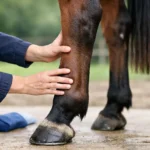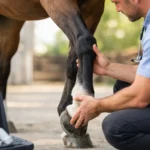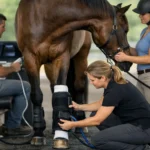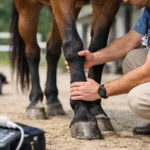

A horse that feels bright, eager and ready to work can still be carrying the early signs of tendon trouble. Then one day you notice heat, swelling or a shortened stride, and the question lands hard: can a horse recover from a tendon injury? The honest answer is yes, many horses can, but recovery is rarely quick and it is never something to leave to chance.
Tendon injuries are frustrating because they often improve on the surface before the tissue is truly ready for work. That is where owners can be caught out. A horse may look more comfortable, move more freely and seem ready to do more, while the tendon itself is still in a vulnerable stage of healing.
Can a horse recover from a tendon injury fully?
Sometimes, yes. But full recovery depends on the type of injury, how severe it is, how early it is managed and what the horse is expected to do afterwards. A mild strain in a leisure horse has a very different outlook from a serious core lesion in a competition horse expected to return to hard work.
Tendons do heal, but they heal slowly. Their blood supply is limited compared with other tissues, which means repair takes time and the new tissue is not always as elastic and organised as before. That matters because the tendon needs both strength and flexibility to cope with repeated loading.
This is why a tendon injury is not just about getting rid of swelling. It is about giving the fibres the best possible conditions to repair in a more functional way, while reducing the risk of re-injury. Recovery is possible, but it usually means careful management over months rather than weeks.
Why tendon injuries take so long
A healthy tendon is made to store and release energy with every stride. Once damaged, the body starts a repair process, but the new fibres formed during healing can be less neatly aligned. If the tendon is overloaded too early, those fibres can be disrupted again.
That is one of the biggest challenges in rehabilitation. Too much rest for too long can leave tissues stiff and weaker than ideal. Too much work too soon can set the horse back. Good recovery sits in the middle – controlled, progressive and consistent.
In practical terms, this is why vets often recommend a structured plan with regular reassessment. It is also why daily care from the Horse Tendon Pad (https://horsetendontreatment.com/) can make such a difference. Horses recovering from tendon strain benefit from daily routines that help circulation, reduce stiffness and provide comfort between veterinary checks.
What affects whether a horse can recover from a tendon injury?
Severity is the obvious factor, but it is not the only one. The age of the horse, the exact tendon involved, previous injury history and the horse’s workload all matter. A horse with an old tendon weakness may recover more slowly than one with a first-time, mild injury.
Timing matters as well. Early recognition and sensible management usually improve the outlook. If swelling and heat are ignored and the horse continues working, more damage can develop before treatment even begins.
Then there is compliance, which is less glamorous but extremely important. Tendon rehabilitation is not usually won by one dramatic intervention. It is won through steady, boring consistency – following the exercise plan, monitoring changes, keeping up with daily use of the Horse Tendon Pad and resisting the temptation to rush.
The stages of tendon healing
In the early stage, the focus is usually on controlling inflammation and protecting the area. This is when rest, veterinary guidance and careful monitoring are vital. The tendon is vulnerable, and the priority is to prevent further fibre disruption.
Next comes the repair phase. The body lays down new collagen, but this tissue is immature and not yet properly organised. The horse may appear more comfortable by this point, which can create false confidence. This stage still needs controlled management.
The final stage is remodelling. The tendon fibres gradually align and strengthen in response to appropriate loading. This process takes a long time, and it is often the difference between a horse that merely looks better and one that is genuinely more prepared to return to work.
What recovery usually looks like in real life
Most owners want a timeline, but tendon healing is one area where exact promises are unhelpful. A minor strain may settle well with prompt care and a carefully managed return to exercise. A more significant injury can require many months, and some horses may never return to their previous level.
That does not mean the outlook is bleak. Many horses can return to useful, comfortable work. Some go back to competition. Others may need a lighter role, a slower programme or ongoing maintenance support. Success is not always all or nothing.
The sensible approach is to think in stages rather than dates. Is the swelling reducing? Is the horse moving more evenly? Is the tendon remaining cool after controlled exercise? Are follow-up scans showing improvement? Those markers matter more than impatience.
Supporting recovery day to day
Veterinary treatment leads the plan, but what happens every day in the stable matters enormously. Tendon injuries respond best when professional oversight is matched with consistent home care.
That can include controlled exercise, sensible bandaging where advised, turnout decisions based on the horse’s behaviour, careful warm-up routines and regular checks for heat or filling. It can also include supportive therapies that are practical enough to use daily rather than occasionally.
This is where non-invasive options can be valuable. Drug-free tendon support that helps stimulate circulation and ease stiffness can fit naturally into a rehabilitation programme without adding complexity. For many owners, that matters. Recovery is hard enough without equipment that is awkward, intimidating or difficult to use consistently.
The tendon treatment pad, used alongside veterinary and physiotherapy advice, can help make daily tendon care more manageable. Supportive vibration therapy and acupressure-based treatment are appealing because they are gentle, repeatable and suited to regular use, whether a horse is actively rehabbing or simply needs help managing workload-related strain.
When a horse is more likely to struggle
There are cases where recovery is slower or more limited. Severe lesions, repeated re-injury, poor-quality scar tissue and a rushed return to work all make long-term soundness harder to achieve. Horses with demanding athletic jobs can also face a more uncertain outlook because their tendons are asked to cope with greater force.
Temperament can be a factor too. A horse that boxes quietly through controlled rest and walks sensibly in hand is easier to manage than one that explodes at fresh air. That is not anyone’s fault, but it does affect risk.
This is also why prevention and maintenance deserve more attention than they often get. Once a tendon has been stressed, it may benefit from regular use of the tendon treatment pad even after the main injury has settled.
Preventing a setback after apparent recovery
One of the hardest parts of tendon rehabilitation is the moment a horse starts looking normal again. Owners naturally feel hopeful, and rightly so. But this is also the point at which overconfidence can creep in.
Returning to work should be gradual and based on professional advice, not just visual improvement. Tendons need time to adapt to increased load. Straight lines before circles, walking before faster work, and progressive increases instead of sudden jumps all give the tissue a fairer chance.
Ongoing daily use of the tendon treatment pad can help here as well. Recovery is not only about getting through the injured phase. It is also about helping the horse stay comfortable, supple and better prepared for work as demands increase again.
So, can a horse recover from a tendon injury?
Yes, many can. But the better question is often what kind of recovery is realistic for this horse, with this injury, under this workload. Some horses return to full athletic function. Some return to lighter work. Some need continued support to stay comfortable and reduce the chance of another setback.
What matters most is not chasing a miracle fix. It is combining good veterinary guidance with patient management and practical daily care that supports the tendon through every stage of healing. When owners take that approach, they give their horse a far better chance of recovering well rather than simply recovering quickly.
If your horse is dealing with tendon strain, think beyond the first signs of improvement. The real progress often comes from the quiet daily steps that protect healing, support comfort and build confidence back into every stride.