
A horse can feel bright, willing and completely normal one day, then come out of work with filling, heat or that slight change in movement that makes your stomach drop. Tendons have a habit of reminding owners how quickly a routine issue can become a long-term one. That is why daily horse tendon care matters so much. It is not just about reacting to injury. It is about protecting soundness, easing strain and giving recovery the consistent support it needs.
Why daily horse tendon care matters
Tendon tissue heals slowly. It does not have the same blood supply as muscle, which means recovery can be frustratingly gradual even when the original problem seems minor. In practical terms, that leaves horses vulnerable to repeated strain, lingering stiffness and setbacks during work or rehabilitation.
For owners and riders, the challenge is rarely a lack of care. It is usually the reality of stable life. Horses still need mucking out, feeding, turnout, schooling, farrier visits and transport to lessons or competitions. A tendon support plan has to fit into that routine, otherwise it gets used for a few days and then drops away.
Good daily care gives you two advantages. First, it helps you spot changes early, before they become harder to manage. Second, it supports circulation and tissue comfort on an ongoing basis, which is valuable whether your horse is coming back from injury, coping with workload-related stress or simply needs help staying comfortable in regular work.
What daily horse tendon care should include
The best routine is not the most complicated one. It is the one you can repeat calmly and consistently.
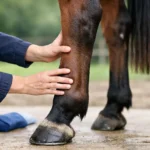
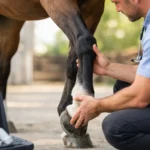
Start with observation. Before and after exercise, run your hands down the limb and pay attention to heat, swelling, sensitivity and any difference between one leg and the other. Owners often notice subtle changes by touch before they become obvious under saddle. If something feels wrong, that is worth taking seriously.
Movement also matters. Tendons generally do better with sensible, controlled exercise than with abrupt cycles of hard work followed by standing still. What that looks like depends on the horse. A horse in rehabilitation will need a very different programme from a fit competition horse in full work. There is no single rule beyond this – sudden increases in intensity tend to punish tendon tissue.
Daily management should also look at the whole picture. Deep, uneven going, tight turns, poor hoof balance and fatigue can all add strain. So can a stop-start schedule where a horse works hard at the weekend and then does very little during the week. Tendon care is not only about what you apply to the leg. It is about reducing avoidable pressure around it.
The value of hands-on checking
A short hands-on check is one of the most useful habits in the yard. It takes moments, costs nothing and helps you build a clear sense of what is normal for your horse. Some horses naturally carry a bit more filling after standing in, while others show stiffness after travel or hard ground. Knowing that baseline makes it easier to pick up something genuinely new.
This is where consistency beats intensity. You do not need an elaborate inspection routine every day. You do need enough attention to notice when a tendon starts feeling warmer, thicker or less comfortable than usual.
Supporting tendons between exercise and treatment visits
Veterinary advice and physiotherapy are essential when a tendon has been injured, but most owners know the gap between appointments is where the real work happens. Recovery is shaped by what happens every day, not just what happens in the consulting room.
That is why non-invasive daily support has become such a practical part of tendon management. Used properly, it can help reduce stiffness, encourage circulation and keep the area more comfortable without adding stress to the horse. For many owners, it also provides something equally valuable – a straightforward routine they can actually keep up with.
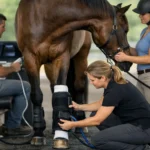
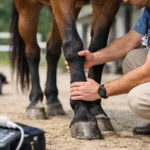
A tendon support pad that combines targeted vibration therapy and acupressure fits this need particularly well. The aim is not to replace your vet. It is to give the tendon gentle, repeatable support at home or in the stable, in a way that feels manageable rather than clinical. That matters because tendon care works best when it becomes part of normal horse care, not a separate project that feels too complicated to maintain.
Daily horse tendon care for different types of horses
A horse returning from tendon injury needs protection from overload, but a horse in regular work may need just as much attention for prevention. The reason is simple. Tendon damage does not always arrive as one dramatic event. It can build through repeated small strains, especially in horses working on demanding surfaces or carrying a busy schedule.
For competition horses, daily support is often about limiting stiffness and helping the legs recover between sessions. Schooling, travelling, warm-up rings and repeated loading all ask a lot of the lower limb. In that setting, a short tendon care routine can be a sensible way to support comfort and circulation after work.
For leisure horses, the pattern may be different but the need is still there. Weekend rides, long periods standing in the stable, older age and inconsistent workload can all make tendons feel less forgiving. These horses benefit from the same principle – regular, gentle support is usually more useful than occasional bursts of treatment.
For horses already in rehabilitation, daily care needs to be disciplined. More is not automatically better. The right support should complement the rehabilitation plan, not distract from it. If your vet has prescribed restricted exercise, controlled walking or particular management changes, any home therapy should sit alongside that advice rather than trying to shortcut it.
Prevention and recovery are not the same thing
This is where owners sometimes get mixed messages. A horse with no current injury may cope well with a simple preventative routine around exercise and rest days. A horse with an active tendon problem needs a more careful plan, especially if there is inflammation, pain or a recent diagnosis.
The principle stays the same, but the level of caution changes. Prevention is about reducing strain before it tips into trouble. Recovery is about supporting healing without pushing the tissue beyond what it can handle.
Making tendon care realistic in a busy yard
If a routine takes too long, needs several pieces of kit and only works under perfect conditions, it usually will not last. Owners need something practical. Stable managers need something easy to delegate. Riders need something that does not turn every schooling session into a full medical procedure.
That is why ease of use matters just as much as the therapeutic idea behind a treatment. A portable, drug-free tendon pad is useful because it removes friction from the process. It can be applied quickly, used regularly and fitted into the natural rhythm of the day, whether that is after exercise, during box rest or as part of a quiet evening check.
Horse Tendon Treatment is built around that exact reality. The benefit is not only what the pad is designed to do for circulation, stiffness and tendon comfort. The benefit is that owners are far more likely to use it consistently because it feels simple and safe to make part of everyday management.
There is also reassurance in having a non-invasive option on hand. Many owners want to support recovery naturally where possible, especially when they are dealing with long timelines and the emotional drain of tendon setbacks. A daily routine that is calm, repeatable and easy for the horse to tolerate can make the whole process feel more manageable.
When to seek extra help
Daily care is valuable, but it should never blind you to warning signs. Persistent heat, obvious swelling, pain on palpation, lameness or a sudden change in movement all justify professional advice. Tendon injuries can look deceptively mild early on, and guessing wrong can cost months.
It also helps to accept that some horses need more than one layer of support. Good farriery, an appropriate exercise plan, veterinary monitoring and home therapy often work best together. That is not overdoing it. It is simply recognising that tendon health is shaped by many small factors rather than one magic fix.
The most effective owners are usually the ones who stay observant, stay consistent and avoid extremes. They do not ignore early signs, but they do not panic at every tiny fluctuation either. They build routines that support the horse day after day, because that is where tendon health is won or lost.
A calm five minutes spent caring for a horse’s legs each day may not feel dramatic, but over time it can make all the difference between managing strain and constantly chasing it.