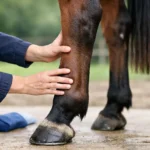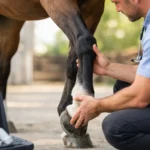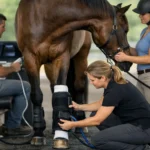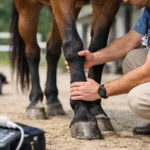

A horse that suddenly feels short in front, carries heat around the back of the cannon, or develops a firm swelling needs prompt attention. Looking at check ligament tear support options early can help owners make calm, practical decisions while protecting the horse from further strain. A check ligament injury can look similar to a tendon problem, but the right plan depends on exactly which structure is affected, how severe the damage is and where the horse is in recovery.
The goal is not to rush a horse back into work. It is to give damaged fibres the right conditions to heal, then introduce carefully managed movement so the limb regains strength and resilience.
What a check ligament tear means
The check ligaments are supporting structures in the lower limb. The inferior check ligament, commonly discussed in forelimb injuries, works alongside the deep digital flexor tendon and helps limit excessive stretch. The superior check ligament is associated with the superficial digital flexor tendon. Either can be strained or torn, particularly in horses working at speed, jumping, travelling on uneven ground or returning to exercise before they are ready.
Injury severity varies. A mild strain may involve a small number of disrupted fibres and modest heat or thickening. A larger core lesion or partial tear can require a much longer rehabilitation period and more caution around turnout, surfaces and workload. Although some horses show obvious lameness, others are only slightly uneven or become less willing to stretch forward.
That is why a veterinary examination matters. Palpation, movement assessment and ultrasound can establish whether the problem is the check ligament, a nearby tendon, or both. Ultrasound also provides a baseline for monitoring how the tissue changes over time. Treating every swelling as the same injury risks either under-protecting a serious lesion or imposing unnecessary restriction.
First priorities after a suspected injury
Until your vet has assessed the leg, reduce the chance of further damage. Stop ridden work and avoid lunging, turnout in a large field, deep going and any situation likely to trigger an excited burst of movement. If the horse is comfortable, quiet confinement and veterinary-directed cold therapy may be appropriate in the early phase.
Do not rely on the disappearance of heat or a reduction in swelling as proof that the ligament has healed. Surface signs can settle well before the internal fibres are ready for the forces of trotting, cantering or jumping. This is one reason check ligament injuries can recur when a horse appears sound too soon.
Your vet may advise anti-inflammatory medication, bandaging or other immediate measures according to the horse’s presentation. Follow that advice rather than copying a programme used for another horse. Existing conditions, age, temperament, foot balance and the type of injury all influence what is safe.
Check ligament tear support options during recovery
The most effective approach is usually a combination of veterinary guidance, controlled loading and consistent daily limb care. No single tool replaces diagnosis or a staged rehabilitation plan, but several measures can work together.
Rest and controlled exercise
Initial rest protects injured fibres while inflammation settles. However, prolonged complete rest is not always the final answer. Ligaments and tendons respond to measured loading, which encourages fibres to align in the direction of work. Your vet may prescribe a programme beginning with short periods of in-hand walking on firm, level ground, then progressing gradually over weeks or months.
Consistency is more valuable than ambition. Ten minutes of calm walking every day, increased only when advised, is far more useful than several quiet days followed by a long hack because the horse feels better. Keep a simple diary of walking time, any heat or filling, soundness and ultrasound review dates. It gives your veterinary team a clearer picture and helps prevent accidental jumps in workload.
Regular veterinary reassessment
Repeat scans are often central to a safe return-to-work plan. They show whether the lesion is filling in, whether fibre pattern is improving and whether there are concerns hidden beneath a settled-looking leg. A horse may need the plan slowed down after a scan, while another can progress with confidence.
Farriery should also be part of the conversation. Imbalances in the foot can alter forces through the flexor tendons and supporting ligaments. There is no universal shoeing answer, but coordinated input from your vet and farrier can help ensure the horse is as mechanically comfortable as possible throughout rehabilitation.
Physiotherapy and gentle mobility work
Qualified equine physiotherapy can be valuable when it is timed appropriately and coordinated with veterinary advice. A horse protecting a sore lower limb may compensate through the shoulder, back, pelvis or opposite leg. Addressing stiffness and supporting comfortable movement can make controlled exercise easier to maintain.
The timing matters. Deep or forceful work over an acute injury is not a substitute for rest and can be inappropriate. As healing progresses, gentle professional techniques and a carefully planned strengthening programme may support overall movement without asking the injured structure to do too much.
Supportive daily therapies
Many owners want a practical, drug-free way to care for a horse’s legs between appointments. Once your vet is happy for local supportive therapy, targeted vibration and acupressure can be incorporated into a calm stable routine to encourage circulation, ease stiffness and support comfort around the recovering limb.
The Horse Tendon Treatment pad is designed for this purpose: a portable, non-invasive option that can sit alongside prescribed rest, controlled exercise and professional care. It should not be used to mask worsening lameness or justify progressing work early. Instead, use it consistently as part of the wider plan, while continuing to check for heat, swelling, sensitivity and changes in gait.
Supportive therapy can also have a preventative role once the horse returns to work. Horses with a history of soft-tissue injury benefit from sensible workload management, careful warm-up and regular checks after hard ground, competitions, fast work or long periods in the lorry.
Managing turnout, surfaces and routine
Turnout is one of the most individual decisions in a check ligament rehabilitation plan. Some horses remain calmer and safer with restricted turnout; others become more stressed in a box and are at greater risk of explosive behaviour. Your vet may recommend a small pen, restricted grazing or a carefully chosen companion. The right option is the one that controls movement without compromising the horse’s welfare.
Surface choice matters as work resumes. Deep, shifting arenas can increase strain, while rutted fields and very firm ground create their own risks. Start with predictable, level footing and avoid tight circles until they are specifically included in the rehabilitation programme. Lunging, small circles and jumping commonly return later than straight-line walking and trotting.
Nutrition deserves thought too. A horse on reduced exercise still needs a forage-led diet, but excessive energy can make controlled rehabilitation harder. Ask your vet or an equine nutritionist if you are concerned about weight gain, muscle loss or keeping a naturally sharp horse settled during box rest.
Warning signs that need a call to the vet
A little day-to-day variation can happen during recovery, particularly as activity increases, but some changes should not be watched and waited on. Contact your vet if lameness returns or worsens, the leg becomes notably hotter or more swollen, the horse reacts to palpation, or a previously quiet horse resists walking out. Also seek advice after an unplanned gallop, slip, kick or field incident, even if the horse seems comfortable afterwards.
Avoid testing the leg yourself by asking for a trot-up, tighter turn or short lunge because you want reassurance. Those forces can be exactly what an immature repair is not ready to tolerate. A cautious decision now can save weeks of lost progress later.
Give healing the time it asks for
Check ligament recovery rarely follows a convenient calendar, especially for horses with demanding competition plans. The strongest support you can provide is a steady routine, accurate monitoring and the patience to progress only when the tissue and your veterinary team say it is ready. With thoughtful daily care and a properly managed return to work, many horses can regain comfortable, useful movement and a more protected path back to the jobs they enjoy.