
A horse can feel perfectly well after a hard session, only to come out of the stable with a little heat, filling or reluctance the next morning. That is why learning how to prevent tendon flare ups is not simply about what happens during exercise. It is about the small, consistent decisions made before work, after work and on the quieter days in between.
Tendons are built to transfer enormous force, but they recover slowly when overloaded. For horses in regular training, competition, hunting, schooling or even active hacking, proactive tendon care can help protect comfort, movement and long-term soundness. The aim is not to wrap your horse in cotton wool. It is to build fitness carefully, notice early changes and give hardworking legs a proper chance to recover.
Why tendon flare ups happen
A tendon flare up is usually the body’s response to more strain than the tissue can comfortably manage at that point in time. It may show as warmth, swelling, sensitivity to touch, shortness in the stride or a change in the way your horse feels under saddle. Sometimes the warning is subtle: a leg that takes longer to cool down after work, or a horse that feels less willing to lengthen.
The trigger is not always one dramatic incident. Flare ups often develop when several pressures stack together. A sudden increase in speed work, firmer ground, deep going, uneven surfaces, fatigue, poor hoof balance or insufficient recovery can all add to tendon load. Older horses, horses returning from injury and those with demanding competition schedules may need an even more measured approach.
This does not mean every warm leg signals a serious injury. Legs can be mildly warm after exercise, particularly in warm weather. However, a new difference between left and right, persistent heat, swelling, pain or lameness deserves prompt veterinary advice. Tendon injuries are far easier to manage when assessed early rather than ridden through.
How to prevent tendon flare ups through sensible work
The most reliable protection is progressive conditioning. Tendons adapt to loading, but more slowly than muscles and lungs. Your horse may feel fit enough for a bigger session before the tendons are ready for it. That gap is where many preventable setbacks begin.
Increase only one element of work at a time where possible. If you have added more jumping, do not also make the ground work faster and longer that week. If your horse has had time off, begin with the walking and controlled straight-line work advised by your vet, physiotherapist or trainer, then build gradually. A calendar can be useful here, because it reveals workload patterns that are easy to miss when life at the yard is busy.
Match work to the ground and the horse
Ground conditions matter as much as the session itself. Hard ground increases concussion, while deep, holding or uneven going can place greater demand on the soft tissues of the lower leg. A horse that comfortably copes with an arena session may be at greater risk during fast work on rutted ground or after a long, demanding day across country.
Adapt rather than push on. Shorten the session, choose better footing, reduce speed or replace high-impact work with controlled walking when conditions are unfavourable. This is not lost training. It is soundness management.
Warm up thoroughly before asking for collection, sharp turns, jumping or faster paces. A purposeful walking phase allows the body to loosen and prepares tissues for work. Finish with a gradual cool-down too. Stopping abruptly after hard exercise is rarely helpful for a horse whose legs have been working at full capacity.
Build in real recovery days
Rest does not always mean standing still. Many horses benefit from gentle turnout, relaxed walking and lower-intensity days that keep them moving without adding repeated strain. The right balance depends on the individual horse, its history, turnout routine and veterinary guidance.
Avoid treating a quiet day as a chance to catch up with several other demanding activities. A horse that has jumped, travelled in the lorry and stood on a hard surface at an event may need more recovery than the ridden duration alone suggests. Look at the total load, not just the number of minutes in the saddle.
Make daily leg checks part of stable routine
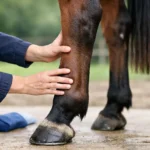
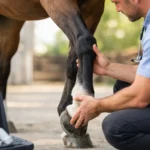
The best time to spot trouble is before it becomes obvious. Take a minute when grooming to run both hands down each leg, comparing one side with the other. You are looking for changes, not perfection: unusual heat, soft filling, thickening, tenderness, a stronger digital pulse or a reaction when the area is touched.
Do this when your horse is settled, not only immediately after exercise. You will soon learn what is normal for their legs, and that baseline makes small changes easier to recognise. Keep simple notes if your horse has a previous tendon injury or is returning to work. Record the type of exercise, surface, leg temperature or swelling, and how they moved the following day.
If you find a concern, pause the planned work and seek professional advice. Do not massage, stretch or continue exercise over a hot, painful or swollen tendon unless your vet has advised it. Early assessment may involve a clinical examination and, where appropriate, ultrasound to establish what is happening beneath the skin.
Support tendon recovery after exercise
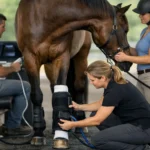
Post-exercise care should be proportionate to the work your horse has done. After a normal, easy session, a careful cool-down and regular check may be enough. Following intense work, travelling, competition or a return-to-fitness programme, more deliberate recovery support can be worthwhile.
Cold therapy is commonly used in the immediate period after strenuous exercise or an acute knock, but the method and duration need to be sensible. Excessively long or poorly managed icing can be uncomfortable, and it is not a substitute for an examination when a leg is swollen or painful. Clean, dry legs and a calm post-work routine also reduce the chance of skin irritation and make changes easier to see.
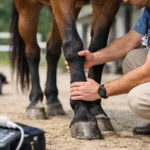
Drug-free therapies can fit well within a preventative routine when used alongside good training management. The Horse Tendon Treatment pad combines targeted vibration therapy and acupressure in a portable, easy-to-use format, designed to support circulation, ease stiffness and provide daily care for hardworking tendon areas. It is not a replacement for diagnosis or a rehabilitation plan, but it can be a practical addition for owners who want consistent, non-invasive support between veterinary and physiotherapy appointments.
Do not overlook hoof balance and whole-horse comfort
Tendon health is not isolated from the rest of the horse. Hoof balance influences how force travels up the limb with every stride, so regular, skilled farriery is central to prevention. Discuss changes in workload, shoeing needs and any history of tendon trouble with your farrier, particularly if your horse is transitioning between surfaces or disciplines.
Saddle fit, back comfort, muscle strength and rider balance matter too. A horse compensating for discomfort elsewhere may alter its way of going and place extra stress on one leg. If your horse repeatedly has tendon heat or filling without an obvious explanation, consider the wider picture with your vet and qualified professionals.
Nutrition should support an appropriate body condition, because excess weight adds load to every step. Be cautious of products promising to repair tendons quickly. No supplement can cancel out unsuitable work, poor footing or an injury that needs investigation. Consistency in the basics remains more valuable than a cupboard full of quick fixes.
When prevention means stopping
One of the hardest parts of protecting tendons is accepting that a planned ride, lesson or competition may not be worth the risk. If your horse is lame, noticeably uneven, reluctant to turn, or has heat, pain or swelling along a tendon, stop work and contact your vet. Do not rely on bandaging or pain relief to make a problem disappear before identifying the cause.
For horses with a previous tendon injury, follow the rehabilitation plan exactly, even when they appear bright and comfortable. The outside of the leg can look normal before the internal tissue has regained the capacity for harder work. Rushing this stage can turn a promising recovery into a longer setback.
The strongest tendon-care routine is calm and repeatable: sensible workload, suitable footing, regular checks, professional input and recovery support that fits naturally into the day. Your horse does not need perfection from you. They need you to notice the small signs, adjust early and give every hardworking leg the care it has earned.