Superior and Inferior Check Ligament Injuries: A Team Approach to Recovery

Check Ligaments: What You Need to Know – Part 3 of 3
- Superior and Inferior Check Ligament Injuries Explained
- How Superior and Inferior Check Ligaments Heal
- A Team Approach to Recovery (you are here)
When your vet tells you your horse has a check ligament injury, it can feel like the next few months are out of your hands. In reality, much of what happens between vet visits is down to you. This guide explains superior and inferior check ligament injuries, how ligaments heal naturally, and how the Horse Tendon Pad can become part of a team approach with your vet and physio.
Understanding the Injury
The check ligaments act like safety straps for the flexor tendons at the back of the leg, stopping them stretching too far when the leg takes weight.
The superior check ligament lies above the knee and supports the superficial digital flexor tendon. Injuries here are less common and can be subtle, with swelling above or around the back of the knee.
The inferior check ligament lies just below the knee and supports the deep digital flexor tendon. It is injured more often, particularly in older horses, ponies and sport horses. Owners usually notice heat and a firm swelling at the top of the cannon.
Both can range from a mild strain to a significant tear. An ultrasound scan by your vet shows which ligament is affected and how much damage there is.
How Nature Repairs a Ligament
The body has its own repair process, and the aim of every treatment plan is to support it.
First, inflammation. Heat and swelling are signs that the body is clearing damaged tissue and calling in repair cells.
Next, repair. New fibres fill the gap. At first they are weak and laid down in a jumbled pattern.
Finally, remodelling. Over many months, and with the right amount of controlled exercise, the fibres line up and strengthen.
Two things slow this down. Ligaments have a limited blood supply, and the repair tissue needs gradual, well-judged loading to become strong. Rush it and the ligament can tear again. Rest for too long without movement and the new tissue can stay weak and stiff.
The Recovery Team
Your Vet
Your vet diagnoses the injury, manages the early inflammation and uses repeat scans to decide when your horse is ready to progress. Every step up in work should be agreed with them.
Your Physio
Your physio helps keep the rest of your horse’s body working well, as horses often compensate for a sore leg through their back and other limbs. They can also guide mobility and strengthening exercises as recovery progresses.
You and the Horse Tendon Pad
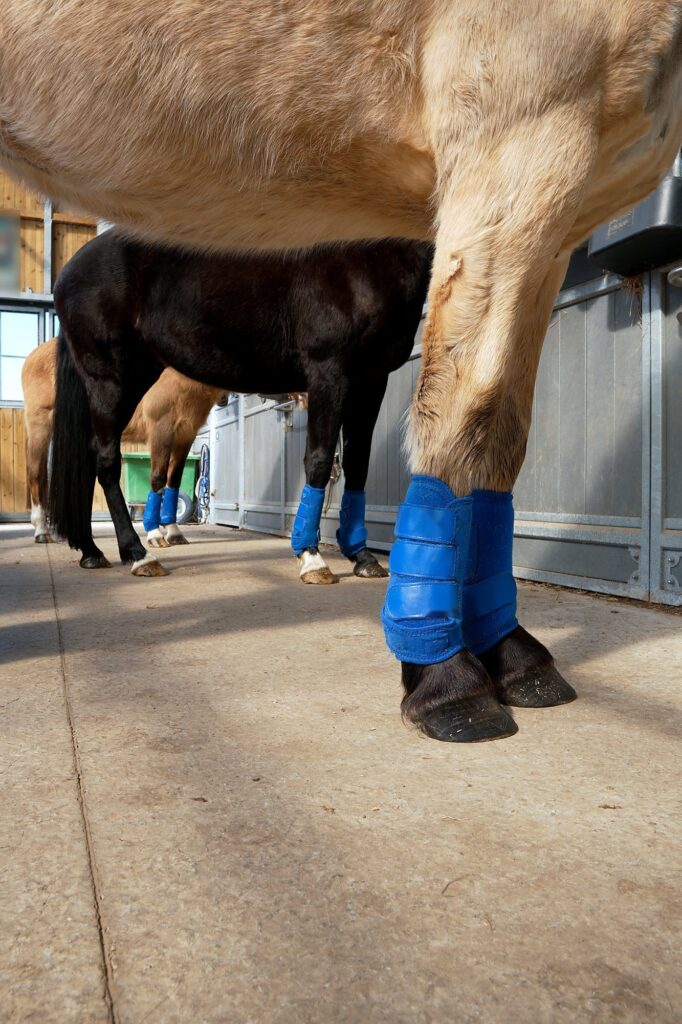
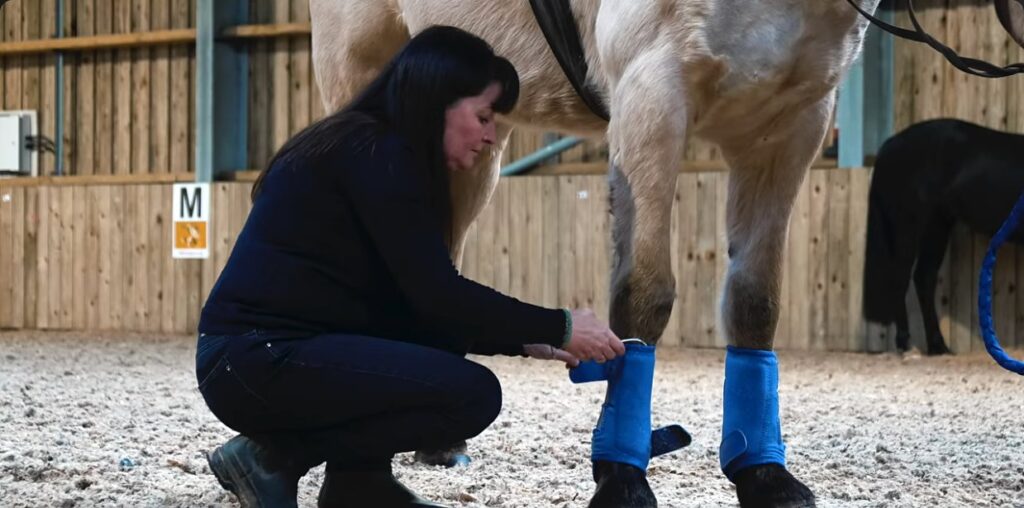
Between visits, you provide the daily care. The Horse Tendon Pad gives you a practical way to support natural healing every day. It combines vibration therapy and acupressure to increase blood flow to the injured area and help reduce pain, easing movement and making your horse more comfortable.
Better circulation helps deliver the oxygen and nutrients that repairing tissue needs, and a comfortable horse copes better with box rest and controlled exercise. Each box contains two pads, and each session takes 20 minutes, 2 to 3 times a day, so it fits easily around feeding, mucking out and walking in hand.
A Simple Daily Routine
- Check the leg each morning for heat, swelling and soundness.
- Apply the Horse Tendon Pad for 20 minutes, 2 to 3 times a day, once your vet is happy for you to start.
- Follow the controlled exercise plan exactly as agreed with your vet.
- Use the pad before exercise as a warm-up as your horse returns to work.
- Note any changes and share them at each check-up.
For more detail on each stage, see our guides to check ligament rehabilitation and horse tendon recovery time.
Looking Ahead
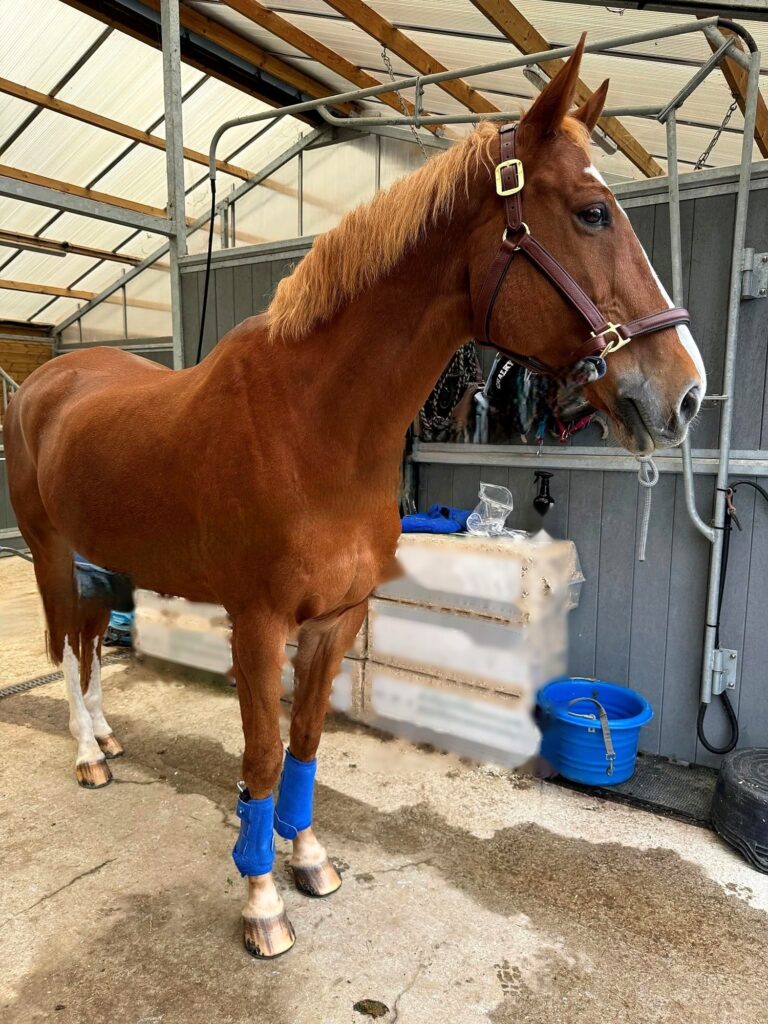
Check ligament injuries ask for patience, but many horses return to the work they enjoy. With your vet guiding the plan, your physio supporting the whole horse and the Horse Tendon Pad helping you do something positive every day, your horse has the best chance of a strong, lasting recovery.
Missed the Start? Read Part 1: Check Ligament Injuries Explained →
Supporting Your Horse’s Recovery at Home
The Horse Tendon Treatment Pad is a drug-free, non-invasive way to support your horse’s legs between vet visits, alongside rest and controlled exercise.