How Superior and Inferior Check Ligaments Heal in Horses

Check Ligaments: What You Need to Know – Part 2 of 3
- Superior and Inferior Check Ligament Injuries Explained
- How Superior and Inferior Check Ligaments Heal (you are here)
- A Team Approach to Recovery
A check ligament injury rarely heals as quickly as owners would like. Understanding what is happening inside the leg, week by week, makes it much easier to stay patient and to make the right decisions. This guide follows the healing journey of superior and inferior check ligament injuries, and shows where the Horse Tendon Pad can support natural recovery alongside your vet and physio.
Superior and Inferior: Two Different Injuries
Both check ligaments help protect the flexor tendons from overstretching, but they sit in different places.
- Superior check ligament: above the knee, at the back of the forearm, attached to the superficial digital flexor tendon. Injuries are less common and swelling may show above or around the back of the knee.
- Inferior check ligament: just below the knee, at the back of the upper cannon, attached to the deep digital flexor tendon. This is the more commonly injured of the two, often in older horses, ponies and sport horses, and usually shows as heat and a firm swelling at the top of the cannon.
Your vet will normally confirm which ligament is involved, and how badly, with an ultrasound scan. That scan becomes the starting point for the whole recovery plan.
Why Ligaments Take So Long to Heal
Ligaments are made of tightly packed, strong fibres with a relatively poor blood supply. Blood is what carries the cells, oxygen and nutrients needed for repair, so less blood means slower healing. The new tissue also needs time and gradual loading to become strong, which is why rest alone is rarely enough.
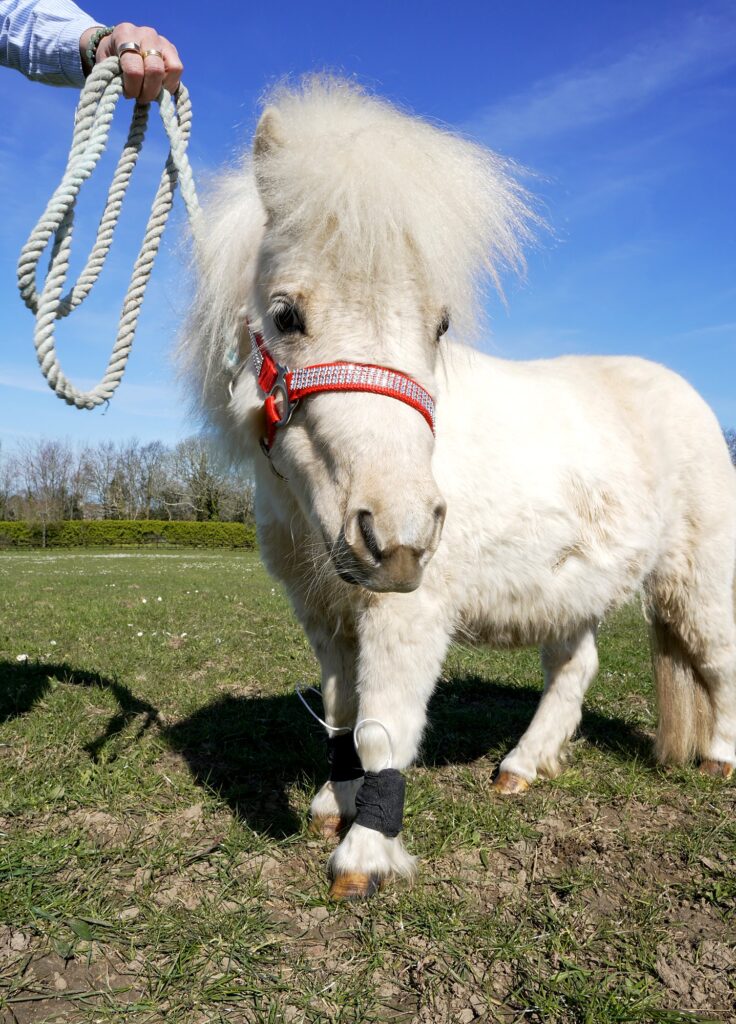
The Healing Journey, Stage by Stage
The First Few Weeks: Calming the Injury
What is happening: inflammation brings heat, swelling and pain as the body clears away damaged fibres.
What your vet may advise: box rest, cold hosing or ice, support bandages and sometimes pain relief. See our guide to cold therapy and ice for more on this stage.
Where the pad fits: follow your vet’s advice on when to begin. The focus at this point is settling the injury.
Weeks to Months: Laying Down New Fibres
What is happening: the body fills the damaged area with new fibres. They are weaker than the original ligament and laid down in a random pattern.
What your vet and physio may advise: a programme of controlled walking in hand, gradually increasing, with regular rechecks. Your physio may add gentle mobility work.
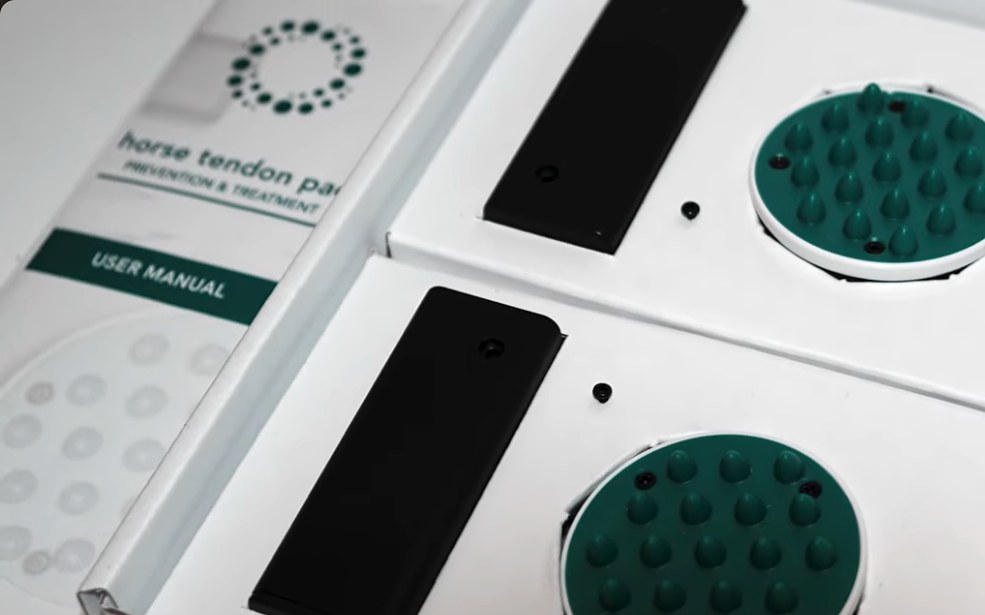
Where the pad fits: the Horse Tendon Pad uses vibration therapy and acupressure to increase blood flow to the area and reduce pain. Applied 2 to 3 times a day for 20 minutes, it supports circulation to tissue that needs it and helps keep your horse comfortable, so the controlled exercise programme stays on track.
Months Onward: Building Strength
What is happening: the new fibres slowly line up along the direction of load and become stronger. This stage can last many months.
What your vet and physio may advise: gradual introduction of trot, then ridden work, then faster or more demanding work, with scans to confirm progress.
Where the pad fits: continued daily use supports comfort and circulation, and the pad can be used as a pre-exercise warm-up to help prepare the leg for work.
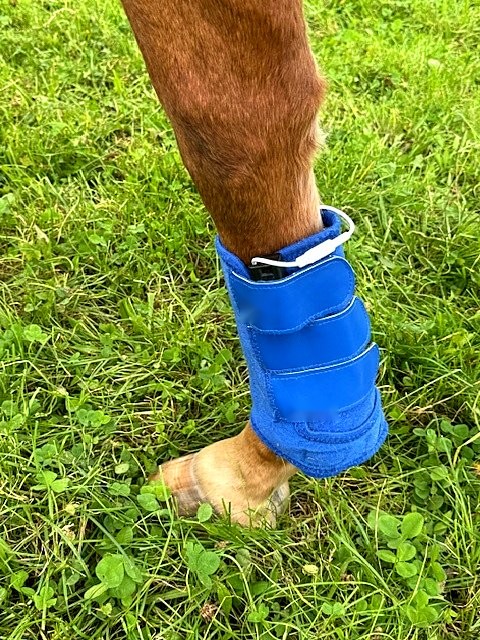
Working as a Team
The Horse Tendon Pad is designed to be used alongside veterinary and physiotherapy treatment, not instead of it. Your vet sets the pace and checks the healing. Your physio looks after the rest of the body, which often compensates for an injured leg. The pad gives you a simple, drug-free way to do something positive every day in between.
Keep a short diary of heat, swelling, soundness and how your horse responds to each session. It is useful information to share at each check-up. Our guide to horse tendon recovery time explains typical timescales in more detail.
Patience Pays Off
Superior and inferior check ligament injuries both need time, but many horses do return to their normal work. A clear plan from your vet and physio, combined with steady daily support at home, gives the ligament the best chance to heal strongly and reduces the risk of reinjury.
Next in the Series – Part 3: A Team Approach to Recovery →
Supporting Your Horse’s Recovery at Home
The Horse Tendon Treatment Pad is a drug-free, non-invasive way to support your horse’s legs between vet visits, alongside rest and controlled exercise.