
A horse can look sound enough in the stable, then feel tight, short-striding or uncomfortable once work begins. That is often the frustrating reality with tendon strain and lower-limb soreness. Vibration therapy for horses has gained attention because it offers a practical, drug-free way to support circulation, reduce stiffness and help tissues recover as part of a consistent daily routine.
What vibration therapy for horses is really designed to do
When people hear the word vibration, they sometimes imagine a general wellness trend rather than something useful in a stable setting. In practice, equine vibration therapy is far more straightforward. It uses controlled mechanical pulses applied to a specific area of the horse’s body, often the limbs, to stimulate soft tissue, encourage blood flow, and reduce swelling and pain.
For horses dealing with tendon stress, this matters because tendons do not have an abundant blood supply. They heal slowly, and they can remain vulnerable long after the obvious heat and swelling have settled. Anything that supports local circulation and helps the leg stay comfortable can have a place in the wider recovery plan, provided it is used sensibly and alongside veterinary advice where needed.
This is why targeted treatment tends to make more sense than broad, one-size-fits-all approaches. If a horse has recurring tendon tightness after exercise, is coming back into work after injury, suffers with filling around the tendon after exercise, or simply needs more help staying loose through a busy schedule, focused vibration can be easier to fit into real daily care than occasional hands-on sessions alone. This is that the tendon treatment pad was designed for.
Why horses with tendon issues often need more than rest
Rest has its place, especially in the early stages of injury. But horse owners know the real challenge starts after that. Tendons can appear calmer on the outside while still lacking strength and elasticity. The horse may also become stiff through reduced movement, which creates a second problem during rehabilitation.
This is where daily home care becomes invaluable. Vibration therapy is not a magic fix, and it does not replace a diagnosis, scanning or a structured rehab programme. What it can do is help bridge the gap between professional appointments by giving owners a simple way to promote comfort and recovery every day.
That daily consistency is often what gets missed. A treatment that is difficult to organise, expensive to repeat or impractical in the yard routine usually falls away. A treatment that can be used regularly, without fuss, is much more likely to become part of the horse’s long-term management.
How vibration therapy helps tendons and soft tissues
The main appeal of vibration therapy for horses is that it works with the body’s own recovery processes rather than trying to overpower them. Gentle, targeted stimulation may encourage circulation in the treated area, which can help bring oxygen and nutrients to soft tissues. For horses with stiffness or lingering soreness, that can translate into a more comfortable limb and easier movement.
There is also the practical benefit of reducing the feeling of tightness around overworked tissues. Horses in regular work, especially those who jump, school intensively or compete frequently, can build up repetitive strain even when no obvious injury has occurred. Treating the tendons before that strain becomes a larger setback is often a wiser route than waiting for a problem to become severe.
Some owners also find that vibration used around the tendon area helps settle the horse before or after exercise. That depends on the horse and the stage of work. A fresh competition horse may respond differently from an older leisure horse or one on a controlled rehabilitation plan. The key is matching the treatment to the horse in front of you rather than expecting the same response every time.
When vibration therapy for horses makes the most sense
The best use cases are usually the most practical ones. A horse returning from tendon injury may benefit from regular daily therapy between veterinary reviews. A horse in full work may use it as part of preventative care before exercise and a few hours after exercise. Indeed, this routine would equally benefit an older horse with recurring leg stiffness and tendon filling.
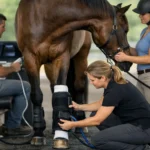
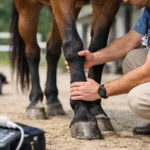
It can be especially helpful for owners who want a non-invasive option they can apply at home without turning stable management into a full-time project. That is a major reason targeted pads and wearable devices have become more popular. Just pop the [tendon treatment pad] into a boot while mucking out or feeding your horse, and your daily treatment is done.
There are limits, of course. If a leg is acutely swollen, very painful, or the horse has gone suddenly lame, the first step is not a therapy gadget. It is proper assessment. Supportive treatment works best when you know what you are dealing with and where it fits in the recovery timeline.
What to look for in an equine vibration device
Not all vibration devices are designed with equine tendon care in mind. Some are too general in their application, while others are awkward to position on the lower limb where stable, targeted contact matters most. For tendon support, a device needs to be practical, secure and easy to use regularly.
It should also be built for repeated use. Owners do not need another complicated bit of kit that ends up at the back of the tack room. The strongest options are usually the ones that fit neatly into everyday routines, whether that is after riding, during box rest management or as part of maintenance for a horse under regular workload.
This is where a specialised tendon treatment pad has a clear advantage. A design that combines targeted vibration with acupressure offers support in a focused area rather than spreading the effect too widely. That makes it more relevant for horses dealing with tendon strain, post-exercise soreness or recurring tightness in the lower leg.
How to use vibration therapy safely and realistically
The most useful mindset is to treat vibration therapy as daily care for your horse, not rescue. If your horse has a confirmed tendon issue, follow the plan set by your vet or physio and use vibration as an additional tool within that framework. If your horse is in regular work and prone to filling, tightness or stiffness, use it as part of a preventative routine rather than waiting for trouble.
Short, consistent sessions of 20 minutes are usually more realistic than occasional heavy use. Horses tend to respond well when treatment becomes familiar and calm. Owners are also far more likely to stick with a routine that takes minutes rather than demanding major changes to the day. That is why the best options fit around your normal stable life such as feeding or grooming.
Pay attention to response. If the horse stands comfortably, moves more freely afterwards and remains settled with repeated use, that is generally a positive sign. If there is irritation, unusual sensitivity or no clear place for the therapy within the horse’s condition, it may need adjusting or pausing. Never use a vibration device over broken skin or an infected area.
Why owners are choosing daily preventative care
Tendon injuries are expensive, slow and mentally draining. Even when the outlook is good, progress rarely feels quick enough. That is why so many owners now want to reduce the risk of developing an injury in the first place. If, despite your best efforts, a problem does occur, control between appointments will help speed recovery. They are not looking to replace professional care. They want something useful they can do every day that promotes healing and gives the horse the best chance of staying comfortable and sound.
A well-designed, non-invasive therapy device such as the tendon treatment pad meets that need because it is both practical and reassuring. It allows treatment to happen in the real world of busy yards, winter evenings, competition schedules and long rehab stretches when motivation can dip. It also fits the growing shift towards natural recovery support instead of relying on medication alone.
For many horses, the real value is not just in one session. It is in the cumulative effect of steady care. A targeted vibration and acupressure pad, such as the kind offered by Horse Tendon Treatment, is designed around that exact principle – simple, repeatable support for the tendons when consistency matters most.
Good tendon management is rarely about doing one dramatic thing. More often, it is about doing the sensible things well, and doing them often. If vibration therapy helps your horse stay looser, more comfortable and better supported through work or rehabilitation, that steady progress is worth paying attention to.